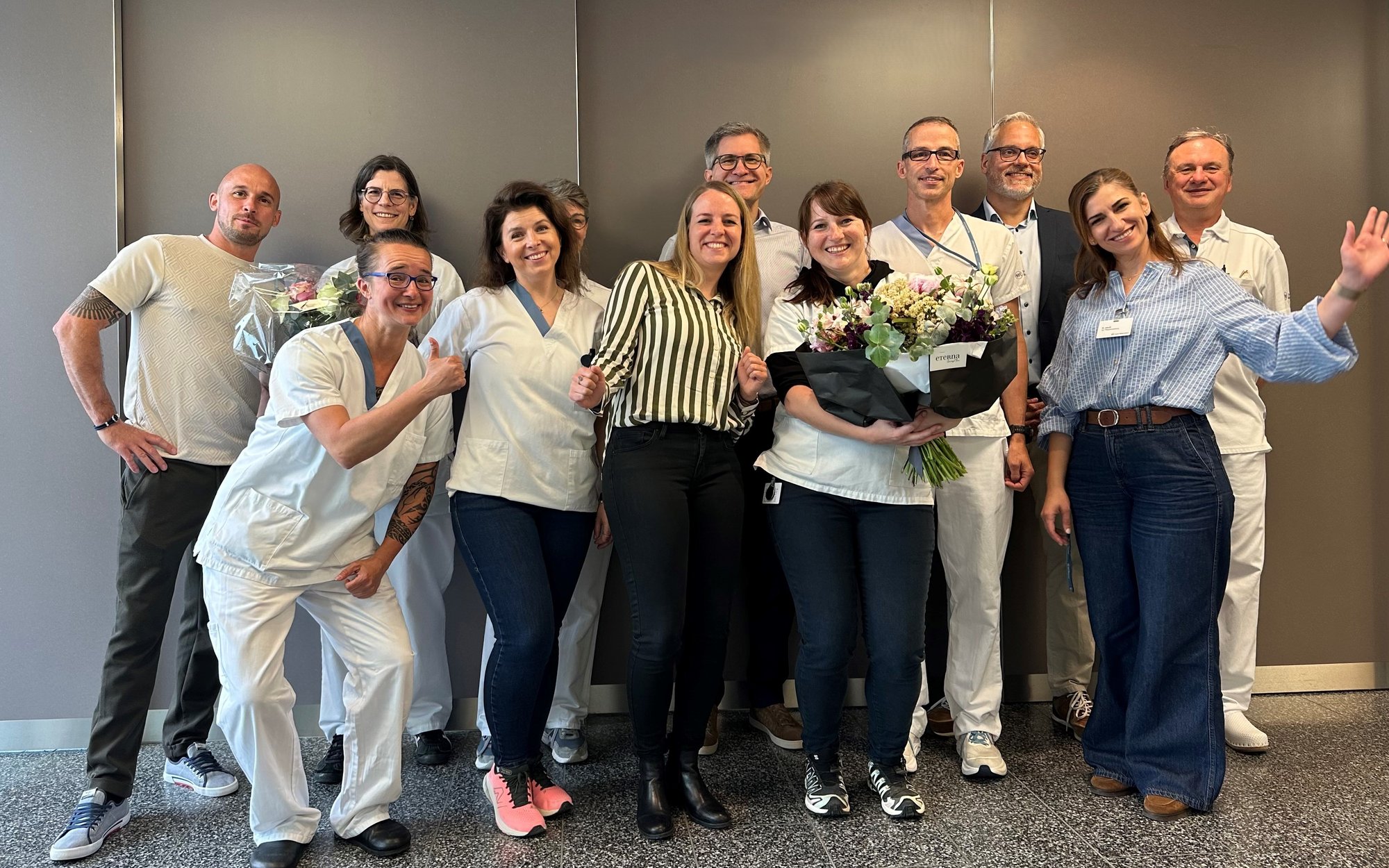
This review takes place every five years and is a prerequisite for official recognition as a certified intensive care unit.
Our IPS was once again able to meet all the requirements of intensive care medicine without any restrictions.
But what does this award mean in concrete terms? And what distinguishes the IPS at Männedorf Hospital in everyday life?
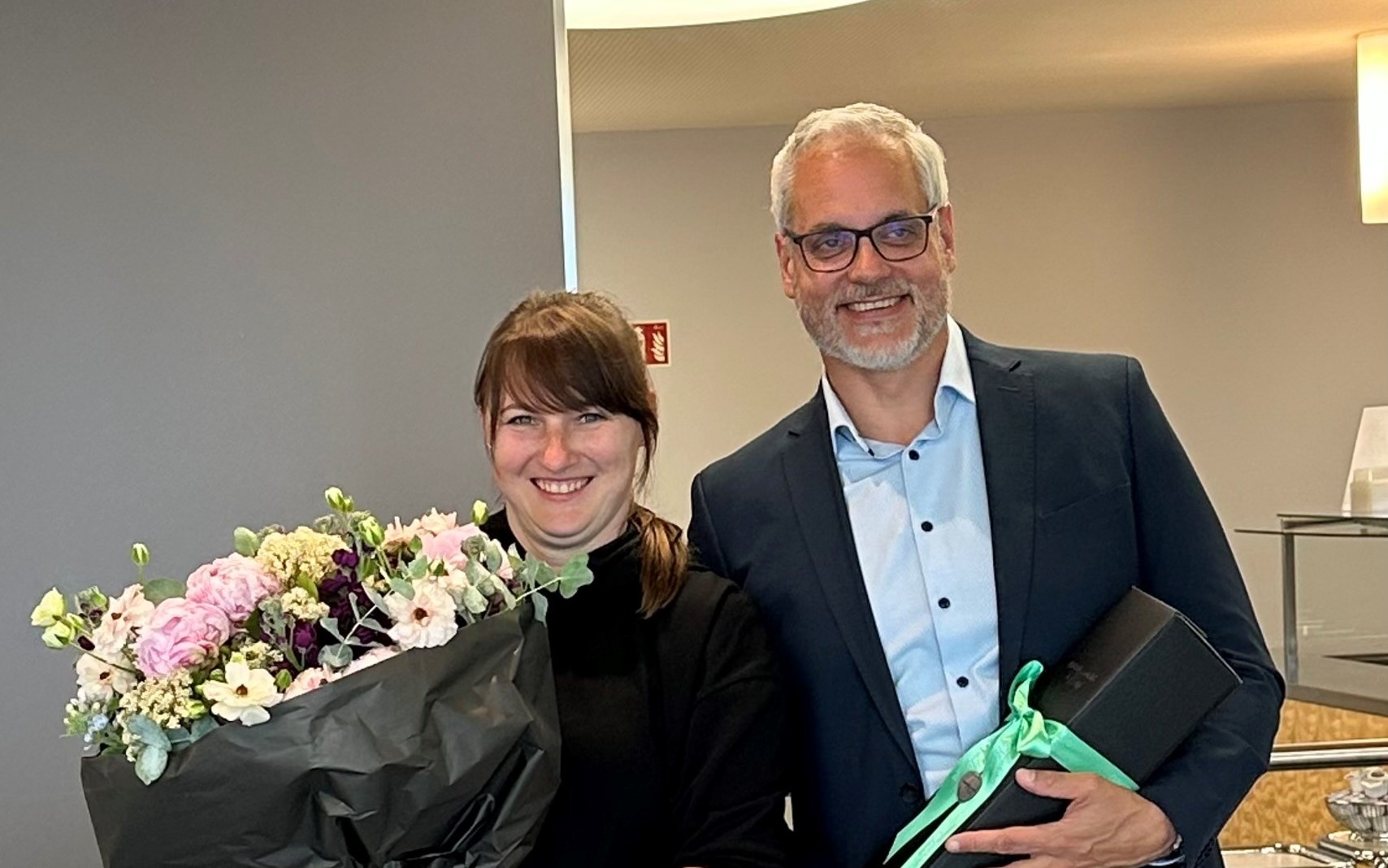
In this interview, Dr. Karim Shaikh, Head of Intensive Care Medicine, and Franziska Rebentisch, Head of Intensive Care Nursing, give an insight into their work and explain the background and significance of the re-certification.
You treat critically ill patients on the intensive care ward with seven beds and provide round-the-clock care. How does the IPS at Männedorf Hospital differ from larger intensive care units?
The difference lies primarily in the specialization, the range of services, the building structure and the complexity of the cases treated. In smaller intensive care units such as ours, patients from internal medicine and surgery are often cared for (for example, patients with severe infections and organ dysfunction or complications following an operation). Larger intensive care units, on the other hand, are often organized by specialty, such as burns, paediatric or neurosurgical intensive care units.
How important is the IPS within the hospital organization?
The intensive care unit is the linchpin of a small acute hospital and is therefore central to patient safety and the quality of emergency and acute care. The IPS is the interface between the emergency ward, internal medicine, surgery and anesthesia. Important functions include Stabilization and life-saving care of patients in critical stages of illness, specialized care, monitoring and early detection of complications. The demands on hygiene, infection prevention and pain management are therefore very high. Close, interdisciplinary cooperation with doctors, nurses and therapists is essential. Due to its central role, the intensive care unit has a decisive influence on patient safety and treatment quality.
What special training do you need to be able to work in IPS? And what does Männedorf Hospital offer in this area?
Dr. med. Karim Shaikh: Training as an intensive care physician requires six years of specialist training. We offer junior doctors an initial insight via rotation over several months.
Franziska Rebentisch: In terms of nursing, it is mainly intensive care experts who work on the IPS, supplemented by qualified nurses HF, healthcare assistants and nursing assistants. Thanks to re-certification, the hospital can train specialists in advanced degree courses (NDS diploma). From October 2026, a new qualified nursing specialist HF will start with us in exactly this training program.
What is your personal motivation for working at the IPS?
Dr. med. Karim Shaikh: I am fascinated by knowing the spectrum of all conventional medical treatment options and using them for patients on a daily basis. Intensive care medicine has points of contact with all specialist areas and networking with all colleagues is of central importance.
Franziska Rebentisch: I appreciate working with patients and the versatility of every situation, as no two cases are the same. New challenges arise every day, for which I develop suitable strategies together with the team. Another motivation is my team's commitment and willingness to learn. We show great interest in new things: for example, we have received a new haemodialysis machine and completed training on it. The joy and motivation of getting to know this machine and being able to work with it was clearly noticeable.
Regardless of size and specialization, high quality requirements apply to intensive care units. The IPS at Männedorf Hospital was recently recertified. What does this re-certification mean in concrete terms and why is it so important?
The re-certification confirms that we consistently meet high standards in patient safety, quality of care and hygiene measures. It is also an important incentive for continuous improvement, creates transparency for patients and employees and strengthens confidence in our treatment. The standards for the training quality of young doctors and nursing staff are also maintained and reviewed with the re-certification.
Which guiding values characterize the certification process?
We are guided by core values such as patient safety, evidence-based nursing practice, a high level of professional competence, hygiene and infection prevention, open error management, good communication within the team and patient-oriented care. These guiding values are reflected in our documentation, training and daily processes.
What does a recertification process like this look like for you at the IPS?
The process comprises several steps: from preparation and a comprehensive self-assessment to external audits and the implementation of improvement measures. Among other things, we review structured care plans, the quality of measurements and documentation, hygiene protocols and our emergency and crisis management.
What role does the team play in certification?
The employees are the decisive factor. Regular training, close interdisciplinary cooperation, an open error culture and mutual support ensure high quality. Feedback from the team flows directly into improvement processes.
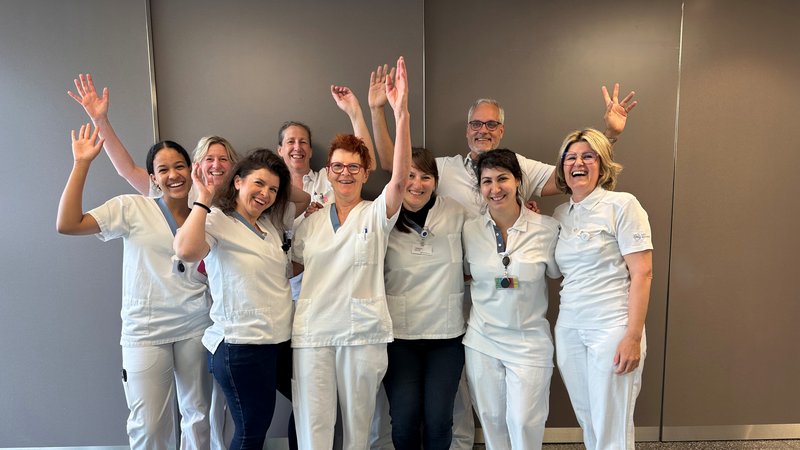
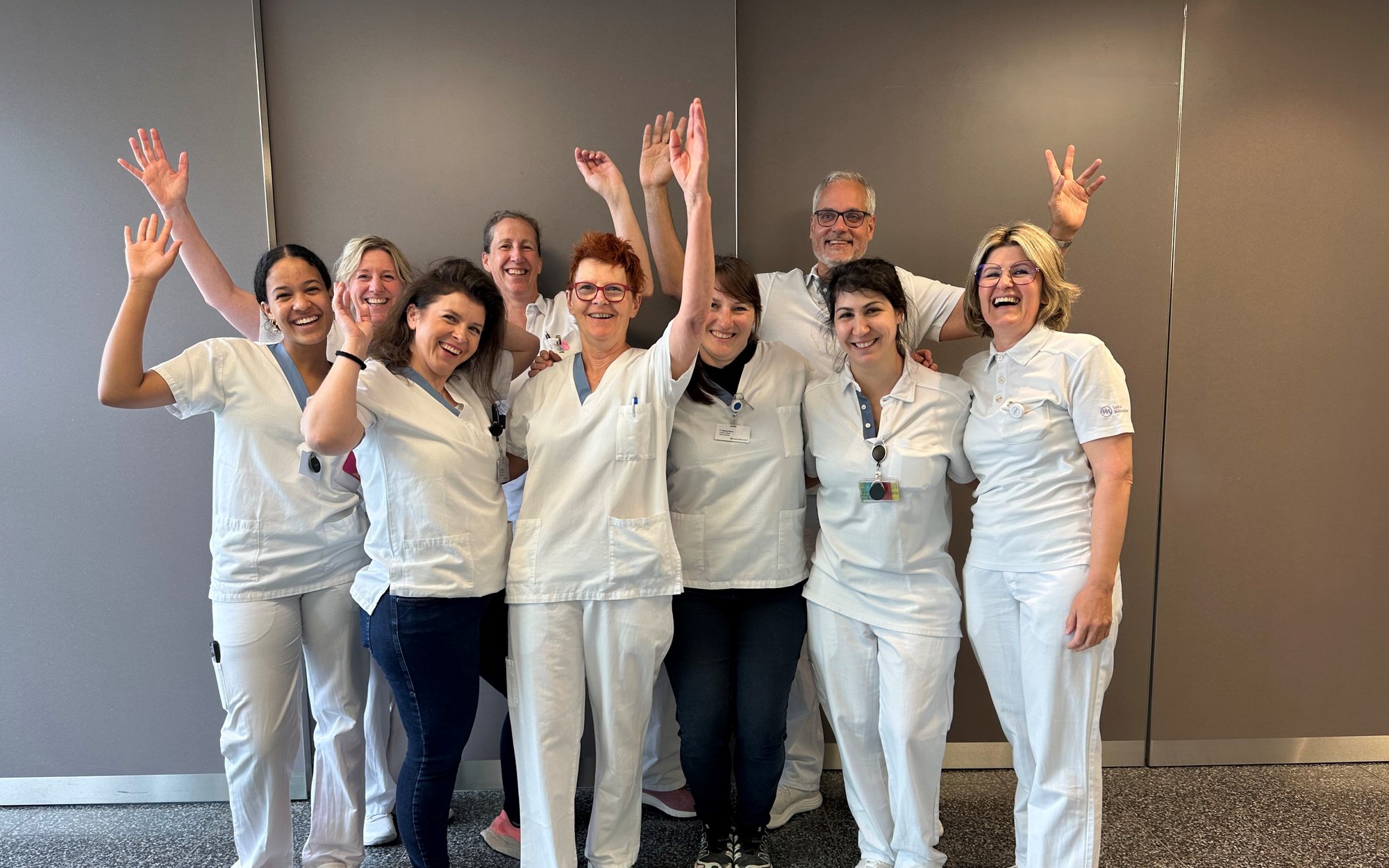
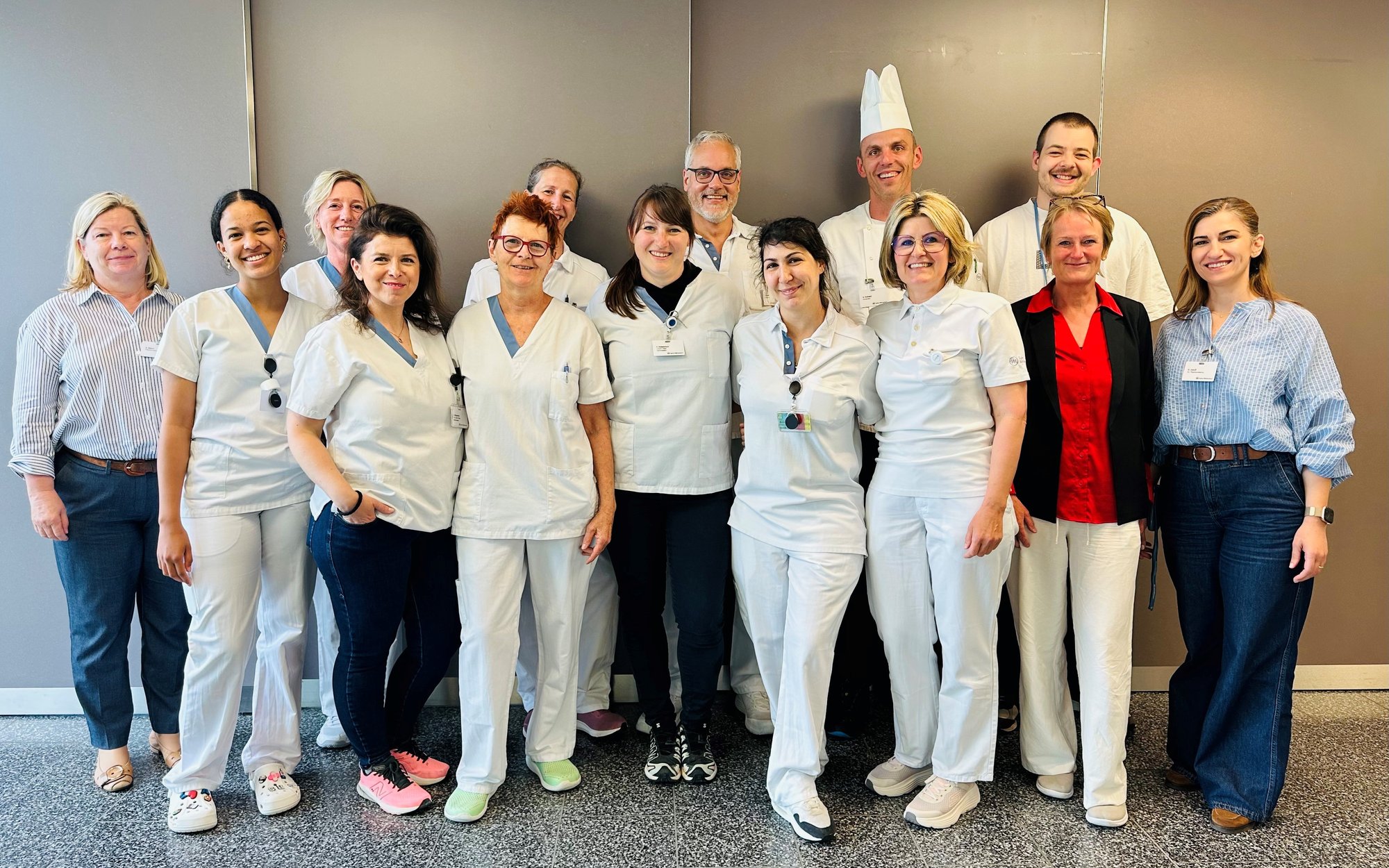
Special thanks go to the entire intensive care unit team. With great commitment, a high level of expertise and a great deal of humanity, these employees make an indispensable contribution to the best possible care of patients every day. The successful re-certification is not least the result of this extraordinary team effort and deserves the highest recognition.